
From Fast Casual to Fine Dining: Tailoring Your Restaurant Remodel to Your Concept
Design Remodels That Align With Your Specific Restaurant Concept and Operational Goals
A common restaurant remodeling mistake is treating all dining establishments the same. Yet a fast-casual counter-service design performs drastically differently than a fine-dining intimate experience, and a family casual restaurant has entirely different operational needs than a quick-service establishment. At Cornerstone FCE Services, we’ve guided restaurant owners from multiple concepts through professional remodels that honor their specific business model and customer expectations. Your restaurant concept determines everything about your remodel: table spacing, service flow, kitchen visibility, lighting design, staffing efficiency, and guest experience. Whether you’re refreshing an existing concept or transitioning your restaurant’s positioning, understanding how to align your physical space with your operational strategy ensures your remodel delivers measurable business results. A remodel designed for one concept but imposed on another creates inefficiencies, frustrates both guests and staff, and leaves money on the table. Our expertise in commercial food service design means we understand the technical and operational requirements that make fast-casual, casual dining, and fine-dining remodels fundamentally different. Let’s explore how to tailor your remodel to create the exact dining experience—and profitability—you’re targeting.
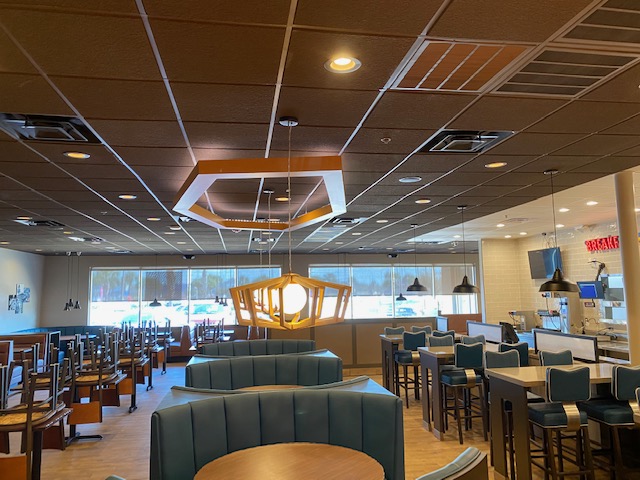
Fast Casual: Optimizing for Density and Turnover
Fast-casual concepts prioritize efficiency, speed, and turnover. Your remodel should reflect this. Table spacing typically ranges from 24 to 30 inches apart, creating a bustling atmosphere that subtly encourages guests to complete meals within 45-60 minutes. This tight spacing allows you to maximize seating capacity in limited square footage, critical for fast-casual profitability. Open kitchens showcase food preparation, communicating freshness and transparency. Counter ordering areas should flow naturally from entry to service window to dining space, minimizing confusion and bottlenecks. Minimal table service means your staff is lean, reducing labor costs while maintaining guest satisfaction. Design elements emphasize modern efficiency: clean lines, visible food prep, perhaps bright lighting that energizes rather than relaxes. Technology integration—digital ordering kiosks, contactless payment systems—is expected and essential. Material choices should prioritize durability and easy maintenance, accounting for higher turnover and heavier use. A fast-casual remodel invests in layouts that facilitate speed without sacrificing the quality perception that justifies your price point.
Casual Dining: Balancing Comfort and Efficiency
Casual dining occupies the middle ground, serving families, groups, and diverse demographics. Your remodel should create welcoming, comfortable spaces with moderate table spacing (approximately 30-36 inches). Mix seating types: booths for families, tables for various group sizes, and bar seating for solo diners or pre-meal drinks. Full table service is standard, so staff movement paths must remain clear and efficient. Bar areas deserve significant attention—they’re important for revenue and ambiance. Lighting should be warm and inviting without being formal. Colors and materials communicate comfort and accessibility while maintaining quality perception. Unlike fine dining, casual restaurant remodels can accommodate active energy—moderate noise levels feel natural. Your design should facilitate flexibility: rearrangeable seating for special events, seasonal adjustments, and capacity variations. Casual dining remodels balance guest comfort with operational efficiency, creating spaces that welcome everyone while supporting profitable service models.
Fine Dining: Designing for Exclusivity and Sophistication
Fine dining remodels emphasize spaciousness, intimacy, and exclusivity. Table spacing expands to 36-48 inches or more, creating privacy and allowing servers to move without disturbing guests. Seating capacity is intentionally limited to maintain an upscale, uncrowded atmosphere. Premium materials—high-quality furnishings, fine finishes, thoughtful lighting—communicate luxury throughout. Sophisticated color palettes, curated artwork, and refined details establish the elevated experience guests expect. Lighting plays a critical role: warm, adjustable lighting that makes guests comfortable lingering for two or more hours. Acoustic considerations matter significantly; you want conversation privacy and quiet ambiance, achieved through sound-absorbing materials, strategic table placement, and noise-reducing design elements. Kitchen visibility is minimal or controlled—while guests appreciate understanding culinary excellence, most fine-dining kitchens remain private. Service flow must prioritize guest comfort and privacy over maximum turnover. A fine-dining remodel invests heavily in design detail, materials, and atmosphere, recognizing that guests pay premium prices for the complete experience.
Getting Your Concept-Specific Remodel Right
Your restaurant concept should drive every remodeling decision. Before embarking on renovations, clarify your positioning: Are you optimizing for turnover and efficiency, creating comfortable spaces for families and casual gatherings, or building an exclusive, sophisticated experience? Professional design assessment ensures your space, layout, seating, finishes, and operational flow all support your chosen concept. Misalignment between concept and design creates friction—fast-casual designs feel rushed in fine dining contexts, while fine-dining formality underperforms in casual family environments.
Ready to Remodel Your Restaurant With Concept-Aligned Design?
Contact Cornerstone FCE Services today. Our food service design experts understand how different restaurant concepts require different spatial and operational strategies. We’ll assess your current space, clarify your concept positioning, and guide your remodel to maximize both guest experience and profitability. Call us for a free consultation on concept-specific restaurant remodeling.